
How Often Should Dog Grooming Happen? A 2026 Guide by Coat Type
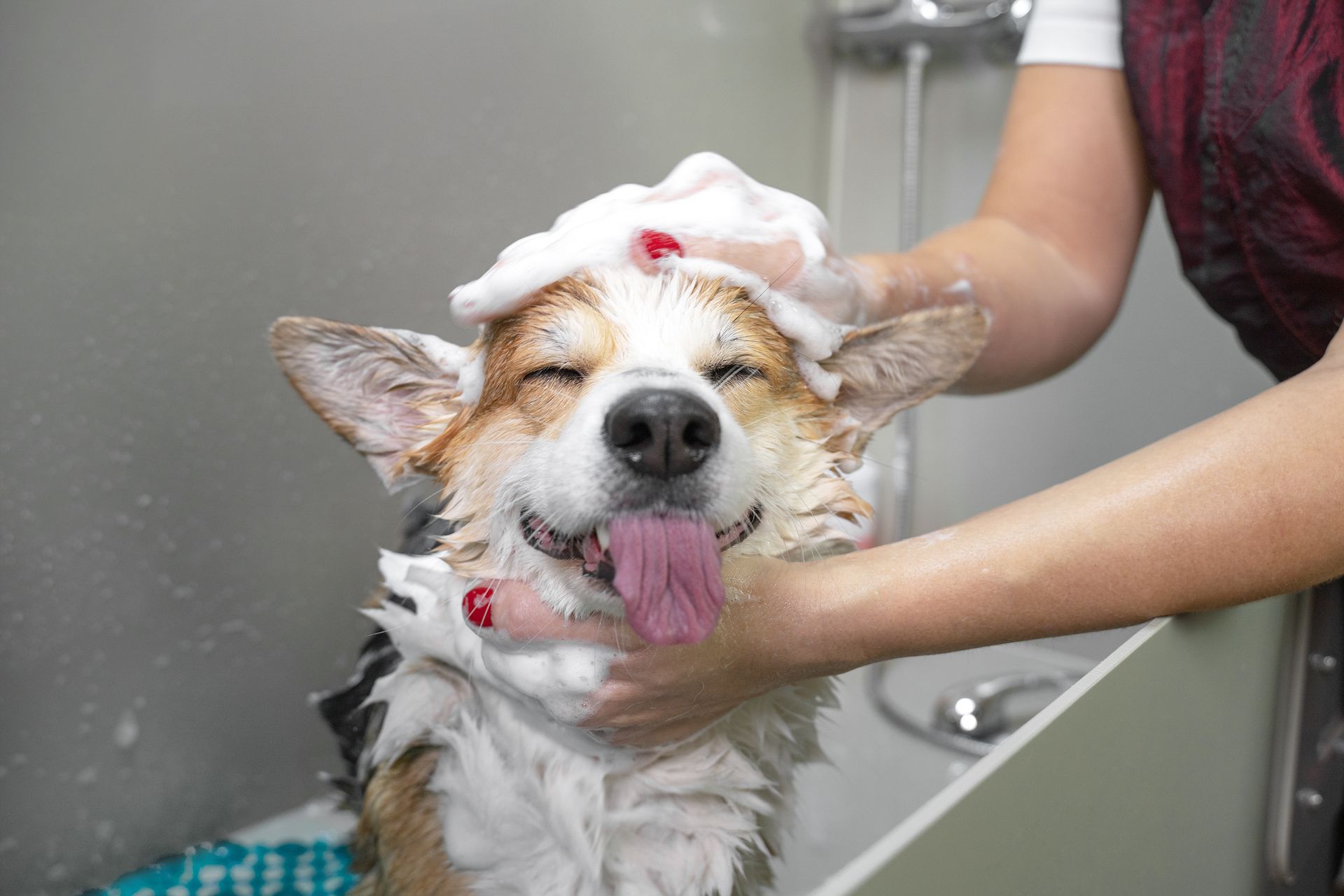
Knowing how often your dog needs professional dog grooming can protect their coat health, skin condition, and overall comfort year-round. Grooming frequency depends largely on coat type, and for pet owners in the Glen Allen, VA, area, Central Virginia's humid summers and heavy spring pollen seasons add another layer to consider. This guide covers what groomers typically recommend for every major coat category in 2026.
Why Coat Type Determines Grooming Frequency
Coat type is the single most important factor in how often a dog needs professional dog grooming. A short-haired Beagle and a curly-coated Doodle live in very different grooming realities. Getting the schedule right can prevent painful matting, reduce shedding, and keep skin irritation at bay.
Short Coats (Beagles, Boxers, Dalmatians)
Short-coated dogs benefit from a professional bath and brush every six to eight weeks to manage loose hair and keep the coat clean. These breeds may shed more than owners expect, so consistent brushing at home between appointments helps. A de-shedding treatment added to a bath session is especially useful in warmer months.
Double Coats (German Shepherds, Golden Retrievers, Huskies)
Professional dog grooming every six to eight weeks is typical for double-coated breeds, with de-shedding treatments playing a key role in managing loose undercoat. Avoid shaving a double-coated dog, as the outer layer provides insulation in both heat and cold. Groomers who understand coat structure can thin and deshed without compromising coat function.
Curly and Wavy Coats (Poodles, Doodles, Bichons)
Curly-coated dogs require the most frequent professional grooming, often every four to six weeks. Their coats grow continuously and do not shed traditionally, meaning hair tangles and mats quickly. Without regular trims and brushing, mats can form close to the skin and become painful. A consistent dog grooming schedule is far easier than correcting a heavily matted coat.
Long Coats (Shih Tzus, Maltese, Yorkshire Terriers)
Long-coated breeds typically need grooming every four to six weeks, depending on coat length and preferred style. Dogs kept in a shorter puppy cut may stretch appointments to six or eight weeks, while longer styles may require more frequent visits. Regular brushing between appointments can extend the time between visits.
Wire Coats (Scottish Terriers, Airedales, Border Terriers)
Wire-coated breeds may require a technique called hand-stripping to maintain proper coat texture. Depending on the breed and method used, grooming appointments may be needed every eight to twelve weeks. Ask your groomer about the best maintenance approach for your dog's specific coat.
How Central Virginia's Seasons Affect Grooming Schedules
Seasonal shedding is a real consideration for dog owners in the Glen Allen, VA, area. Central Virginia's humid summers, with temperatures regularly climbing into the 90s, make coat management important for your dog's comfort. Spring also brings heavy pollen seasons that can cling to longer and denser coats, causing irritation in sensitive dogs.
Double-coated and long-coated dogs often experience heavier coat blows in spring and fall. Scheduling a professional de-shedding treatment during these transitions can significantly reduce loose hair and keep your dog more comfortable. Early spring dog grooming appointments tend to book quickly as owners get ahead of the seasonal shed.
Summer humidity can also contribute to skin and coat issues in dogs that go long periods between grooming visits. Moisture trapped under a dense or matted coat can create conditions favorable to skin irritation, making consistent appointments especially worthwhile through the warmer months.
Signs It May Be Time for a Grooming Appointment
Even with a set schedule, your dog can signal that a visit is overdue. Watch for a coat that feels rough or unusually tangled after brushing, visible matting behind the ears or under the legs, nails that click on hard floors, a noticeable odor after a recent bath, or eyes partially obscured by overgrown facial fur. If you notice any of these, move up the appointment rather than waiting.
How Often Should I Get My Puppy Groomed?
Puppies can typically start grooming appointments as early as 12 to 16 weeks of age, once their initial vaccinations are complete. Early visits help puppies get comfortable with the process, making future appointments much smoother. Short, positive first sessions are the goal, even if a full groom is not completed.
Can I Groom My Dog at Home Between Professional Appointments?
At-home brushing between professional visits is highly recommended for most coat types, especially long, curly, and double-coated breeds. Regular brushing prevents tangles from becoming mats, reduces loose hair, and gives owners a chance to spot skin changes early. Ask your groomer for a brush recommendation specific to your dog's coat.
Does Grooming Frequency Change as a Dog Gets Older?
Senior dogs may need more frequent grooming attention. Older dogs can develop skin sensitivities, have trouble with mobility, and be more prone to matting if they are less active. Groomers experienced with senior and special-needs dogs can adjust their approach to keep older pets comfortable throughout the process.
Book a Dog Grooming Appointment Serving Glen Allen, VA
Ridge Dog Shop has served the Richmond and Henrico County area, including clients from Glen Allen, VA, for decades. Whether your dog has a curly Doodle coat that needs regular trims or a dense double coat that benefits from seasonal de-shedding, their professional groomers can help you build a schedule that keeps your dog looking and feeling their best.
To learn more, visit the
dog grooming services page or explore
individual a la carte grooming options. Ready to book? Call
(804) 288-0605 or find
Ridge Dog Shop on Google to read reviews and get directions.
- to learn more about our services. Let Ridge Dog Shop be your trusted grooming partner!